Recycling Guide
What goes in the bin, what doesn't, and why it matters more than you think. Plus: composting, landfill facts, and how to take action today.
One of the most recyclable materials on earth โ when it's dry and clean.
โ Generally Recyclable
Flatten all boxes before recycling. Remove tape and staples when possible. Keep dry โ wet cardboard cannot be recycled.
Plain paper, glossy magazines, office paper, junk mail โ all recyclable. Remove plastic sleeves or envelopes first.
Oil-soaked cardboard contaminates the entire recycling batch. Tear off the clean lid (recyclable) and trash the greasy bottom.
The plastic wax lining makes them non-recyclable in most facilities. Switch to a reusable cup to eliminate this waste entirely.
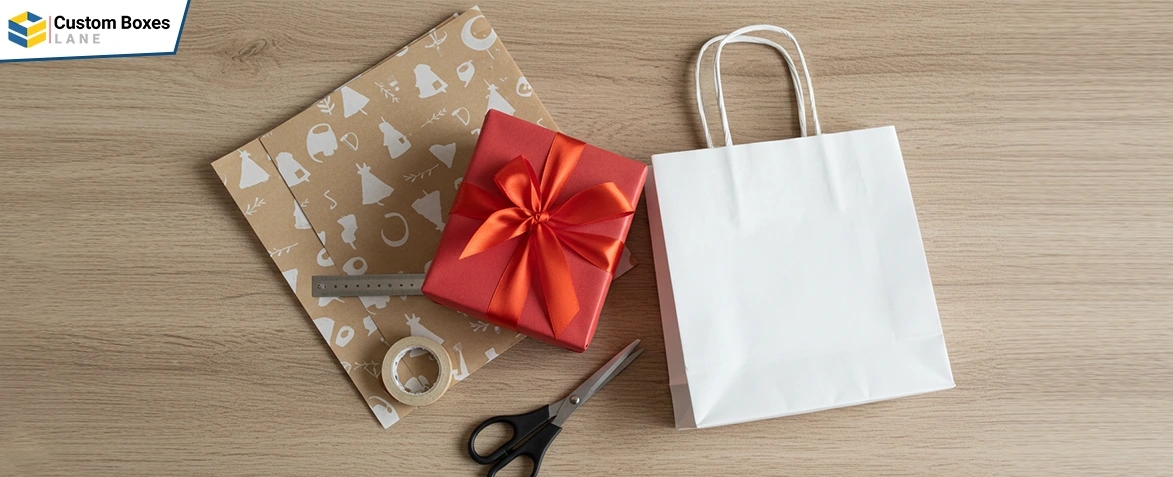
Brown paper bags, kraft paper, tissue paper (non-glossy) โ all recyclable. Avoid shiny gift wrap, which often contains plastic coatings.
Tiny pieces jam sorting machines. Bag shredded paper separately in a paper bag or check if your local facility accepts it bagged.
Aluminum is infinitely recyclable โ and in California, it has CRV cash value.
โ Highly Recyclable โ CRV Value in CA
Rinse and crush to save space. These have California Redemption Value (CRV) โ bring them to us and get paid. Recycling one can saves enough energy to power a TV for 3 hours.
Soup cans, vegetable cans, tuna cans โ all recyclable. Rinse well. Labels can stay on. Crush if you'd like to save space.
Must be completely empty and dry. Remove plastic caps. Never recycle aerosols with remaining contents โ they are pressurized and can be dangerous.
Lithium batteries, circuit boards, and electronics require special e-waste recycling programs. Never place in standard recycling โ they can cause fires in facilities.
Clean aluminum foil is recyclable. Ball up loose foil into a fist-sized ball before placing in the bin โ small pieces fall through sorting screens.
Same as soda cans โ CRV value applies in California. Rinse, crush, and bring them to Urban Recyclers Inc. to get your money back.
Glass is 100% recyclable and can be recycled endlessly without loss of quality.
โ CRV Value on Beverage Bottles in CA
All beverage glass earns CRV in California. Rinse and remove lids. Labels can stay on โ they burn off during the recycling process.
Glass food jars are fully recyclable. Rinse well โ food residue causes contamination. Metal lids can go in with metal recycling separately.
Window glass, mirrors, and ceramics have different melting points and contaminate bottle glass. Wrap broken glass carefully and dispose of safely in trash.
Not all plastic is created equal. The number inside the recycling symbol tells you everything.
โ #1 & #2 Widely Accepted ยท CRV on Bottles in CA
The most commonly recycled plastic. CRV applies in California. Rinse, replace the cap, and bring to us. Do NOT crush โ full shape helps machines sort them.
The second most recyclable plastic type. Rinse thoroughly. This includes shampoo bottles, cleaning supply containers, and juice jugs.
Plastic bags jam and destroy sorting equipment. Return them to store drop-off bins (most grocery stores accept them). Never put in your curbside bin.
Yogurt tubs, deli containers, plastic clamshells โ acceptability varies by facility. Look for the number on the bottom and check with your local program.
Standard facilities do not accept styrofoam โ it's too light and breaks into pieces that contaminate other materials. Reduce use whenever possible.
Too small and too light to be sorted by machinery. They slip through and end up in the environment. Switch to reusable or compostable alternatives.
Beyond Recycling
Composting diverts organic waste from landfills and turns it into rich soil. Nearly 30% of what we throw away could be composted instead.
Peels, cores, stems, seeds โ all excellent compost material. Even cooked vegetables work.
Coffee grounds are nitrogen-rich and break down fast. Paper filters compost too.
Grass clippings, dead leaves, plant trimmings โ brown materials that balance your compost pile.
Crushed eggshells add calcium. Plain paper tea bags compost; remove staples if present.
Attracts pests and creates odor in a home pile. Industrial composters can handle these.
Cheese, milk, and butter break down slowly and attract animals to your compost bin.
Contains harmful pathogens. Never add to home compost โ use designated pet waste systems.
Chemical treatments and plant diseases can persist in compost and spread to your garden.
The Hard Truth
This is not a distant problem. It's happening right now โ in your state, in your county, in your community. Here's what the numbers actually look like.
Sources: U.S. EPA Municipal Solid Waste Report ยท Solid Waste Association of North America (SWANA) ยท National Waste & Recycling Association ยท 2023 data.
Every can you recycle instead of trashing is one less item in a landfill. Urban Recyclers Inc. exists to make that as easy and rewarding as possible โ we pay you for your CRV recyclables while helping protect the environment our children will inherit.
Start Recycling With Us โStep by Step
Doing it right the first time means your recyclables actually get recycled โ not rejected and landfilled.
A quick rinse removes food residue that contaminates other recyclables in the batch. No need to scrub โ a 3-second rinse is enough.
Look for the recycling symbol with a number (1โ7) on the bottom. #1 and #2 are widely accepted. For others, check with your local facility or ask us.
Flat boxes take up less space in your bin and make the sorting process faster and more efficient at recycling facilities.
Caps are often a different material type. Remove them โ many can be recycled separately or returned to retailers.
Wet paper and cardboard break down and become useless. Store your recycling in a covered bin or dry area.
One contaminated item can ruin an entire truckload of recyclables. If you're unsure, ask us directly โ no question is too small.
CRV bottles and cans have real cash value in California. Don't throw that money away โ bring them to us and we'll pay you on the spot.